

With summer approaching, I had given myself two months off to focus on my mental health before starting the next chapter of life in London. I decided to push myself out of my comfort zone in the hope that it would shift my perspective. Depression can feel like being stuck in the mud. The world around you dulls slightly in colour. It’s like you’re looking in from behind a sealed glass window. An invisible layer separating you from everything else.
It left me simply wanting to feel more alive. To reconnect. So when I was invited to go on a climbing trip with a group of friends, despite the fact I had little experience - I signed up. Two of them are pretty advanced mountaineers, and they had set their hearts on climbing Mont Blanc. At 4,809 metres, it’s a beast of a mountain straddling the border of France, Switzerland and Italy. To put any of my concerns at ease, we agreed on a couple of days of training on smaller climbs before the main accent. The training went well, so with the exception of some blisters from my rented mountain boots, we enthusiastically began our two-day climb. In fact, we were so confident we decided on the harder of the two routes in the hope it would be less busy in the summer. We would be climbing Mt Blanc from the Italian side of the mountain, known as the Gonella Route.
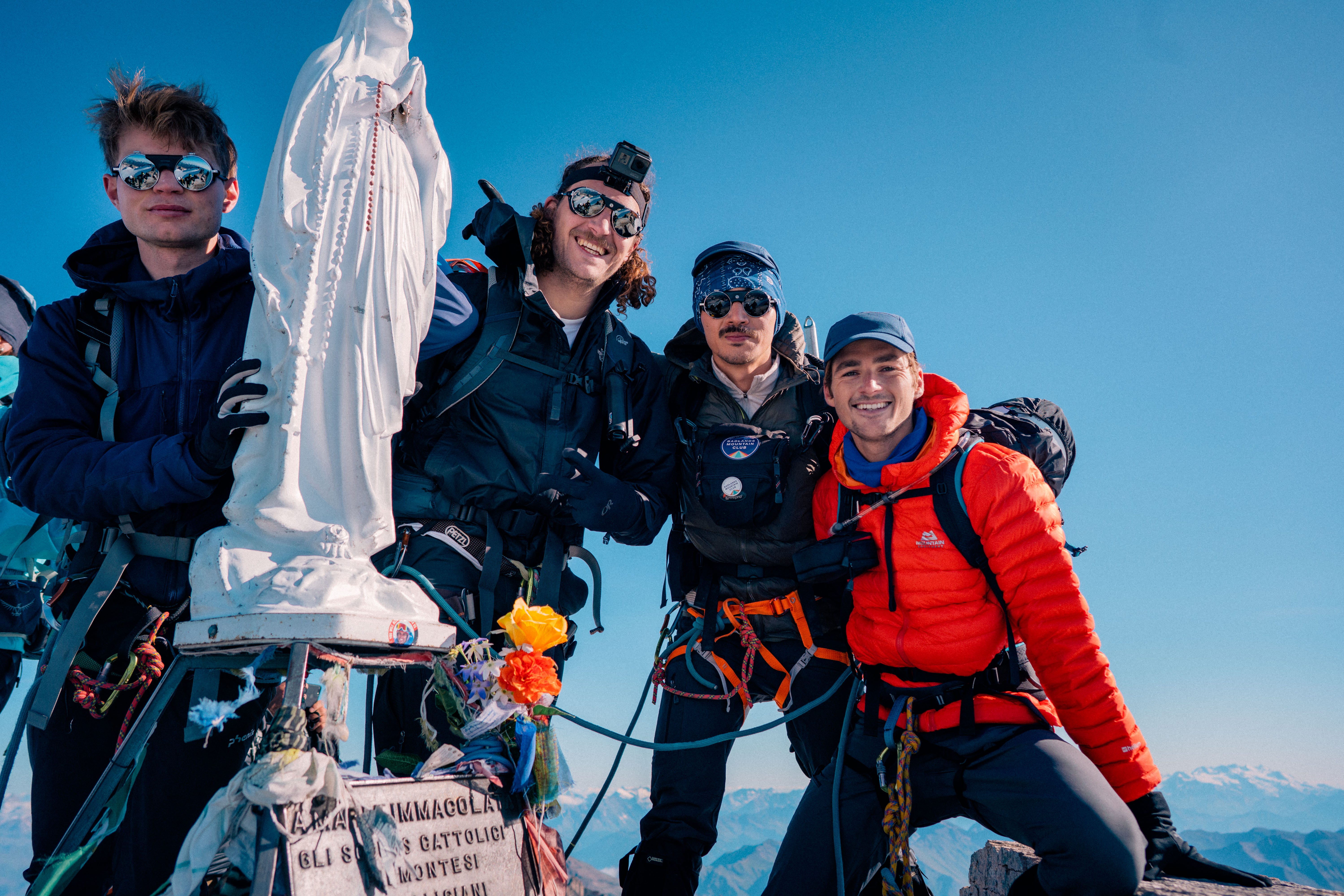
The Italian accent begins with a long trek through a glacier - it feels like an alien ice world, and eventually, you spend the night halfway up the mountain in a small cabin. It’s a place to eat a warm meal, get some sleep and prepare for the second leg of the climb - which begins at the crack of dawn. The goal is to reach the summit as quickly as you can - it’s safer to climb in the cooler temperatures of the early morning to avoid the risk of snowmelt. As we began this second leg, we noticed other climbers coming back down. Their head torches beamed in the darkness of the dawn. They had been unable to pass a particularly steep and icy passage. Ironically, the snow that normally made it easier to cross had melted due to climate change, leaving black ice below. As we pushed on, we, too, reached this pass. However, armed with ice picks, metal spiked shoes, and the ego of four young men on their first major climbing trip, we decided to give the ice wall our best go.


We were climbing with two instructors, so I watched as the instructor in front of me demonstrated the move. In order to avoid slipping off the mountain, it required shifting all of your body weight onto the metal tip of the ice pick and the crampons (spikey shoes). I took a deep breath and gave it my best shot… I failed. As I slipped, I heard my French instructor shout “putain” as he slammed his ice pick into the mountain. In climbing you’re always connected to a buddy through a safety rope. The only reason I had not fallen to a certain death was the rope around my waist connected to my instructor. He was using his ice pick to hold both of us in place. This was one of those moments now burnt in my memory. As I clambered back to safety, I stared in horror at the sheer drop below me. With my heart beating out of my chest, the sun had begun to rise over the horizon, and as the first rays of warmth crept in, I felt a profound sense of gratitude to be alive. If I had ever taken life for granted before, this was the wake-up call - I definitely wanted to live! I also felt a certainty that risking my life was not the best way to find the mental peace I had originally gone searching for.
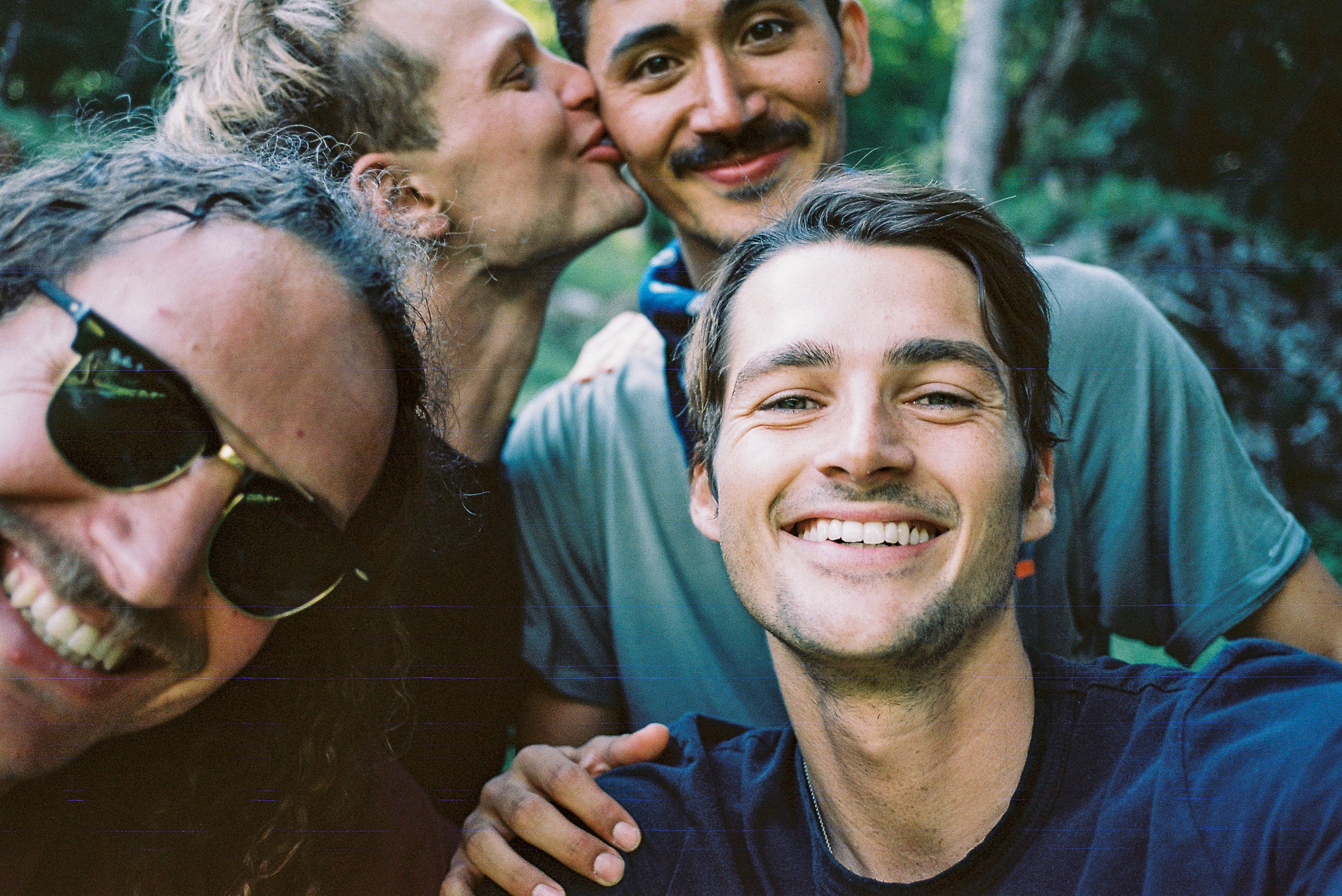
So, like the climbers before us, we decided to retreat back down. This was not the day we would summit the mountain. The risk wasn’t worth the reward. We made it back safely; amazingly, the two advanced climbers in our group went back up the next day to complete the summit from the French side. Meanwhile, two of us stayed back to plan a different adventure. On our last day in the little French town of Chamonix, in the safety of a grassy alpine meadow overlooking the Alps, all four of us gathered to take a strong dose of psilocybin-infused chocolate. For two of us, it was the first time. What followed was equally as profound as my near-death experience just days before. As I melted into the grass of the meadow, giggles erupted from all four of us as the effects took full force. I realised I couldn’t remember the last time I laughed like that. Deep belly laughs. It felt like the universe was laughing with us.
My five-hour journey was like putting on a pair of new glasses. Through them, the world came into focus with ineffable wonder, beauty, and awe. Before I knew it, tears were rolling down my cheeks, carrying away the heaviness that had filled my heart for so many months before. It was a very welcome release. The mushrooms are good at this. It’s like turning on an emotional tap. Things that are stuck just started moving.
Perhaps that experience in France would have been enough to kick the depression, but as I said, I had booked two months off, and instead, that experience actually deepened my interest in the potential of very profound experiences to change our minds. So I wondered, what else could I try?
Someone had recommended a course in Vipassana Meditation. I knew it required a minimum of 10 days - spent meditating for 10 hours a day - in silence. That’s the standard intro course. The way I saw it, spending 100 hours meditating was an incredible way to develop a foundation that might serve me for life. I wanted to know my brain better. To understand what was going on in there. All Vipassana courses are free - provided you can get a place. There are many centres around the world, but they book up at lightning speed. Initially, I tried to get a place at a centre in the UK, but everything was booked up. Eventually, I found one space available at a centre called Dharma Santi in Brazil, it was nestled in the Atlantic Rainforest. The dates aligned, so I bit the bullet.
Now, here’s where things get a little spicy… With the dates secured for the meditation course, I wanted the make the most of being in South America. I’m obviously acutely aware of the environmental impact of flying long distance, and I’m aware of the privilege of being able to take time off to make a trip like that. I didn’t want to waste it. After the psilocybin trip in France, I started reading a lot about plant-based medicine. I picked up Micahel Pollen's book ‘How To Change Your Mind’, and I had heard about people travelling to the Amazon to drink ayahuasca - a very powerful psychoactive brew known to heal - particularly emotional trauma. So, from the recommendation of a friend, I signed up to visit the Temple of the Way of Light in the Peruvian Amazon. A shamanic healing centre. The plan was to travel there after Brazil. Essentially, the trip became 10 days of mediation, a small break between and then 12 days at the Temple, which included a series of ayahuasca ceremonies in the Shipibo tradition.
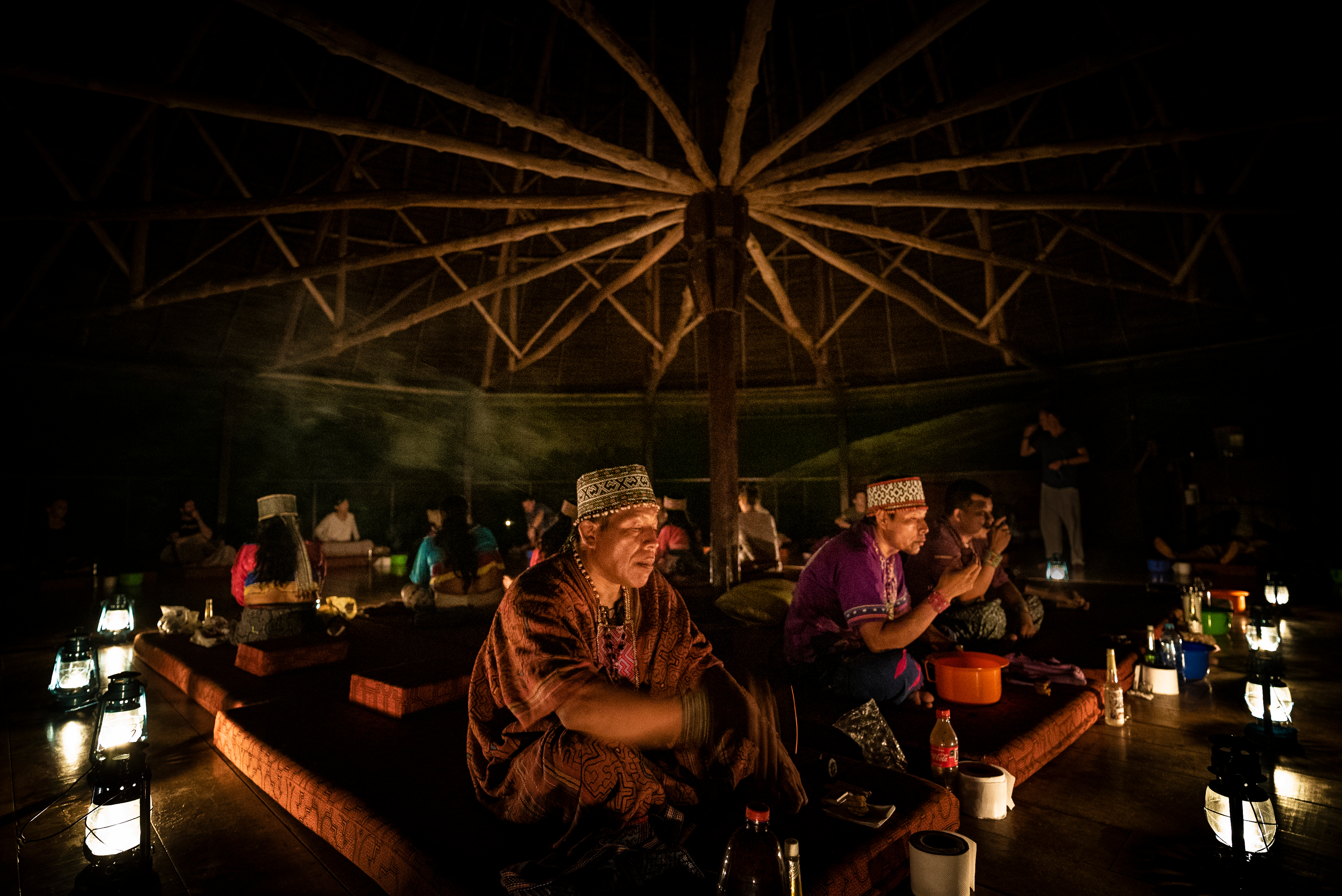
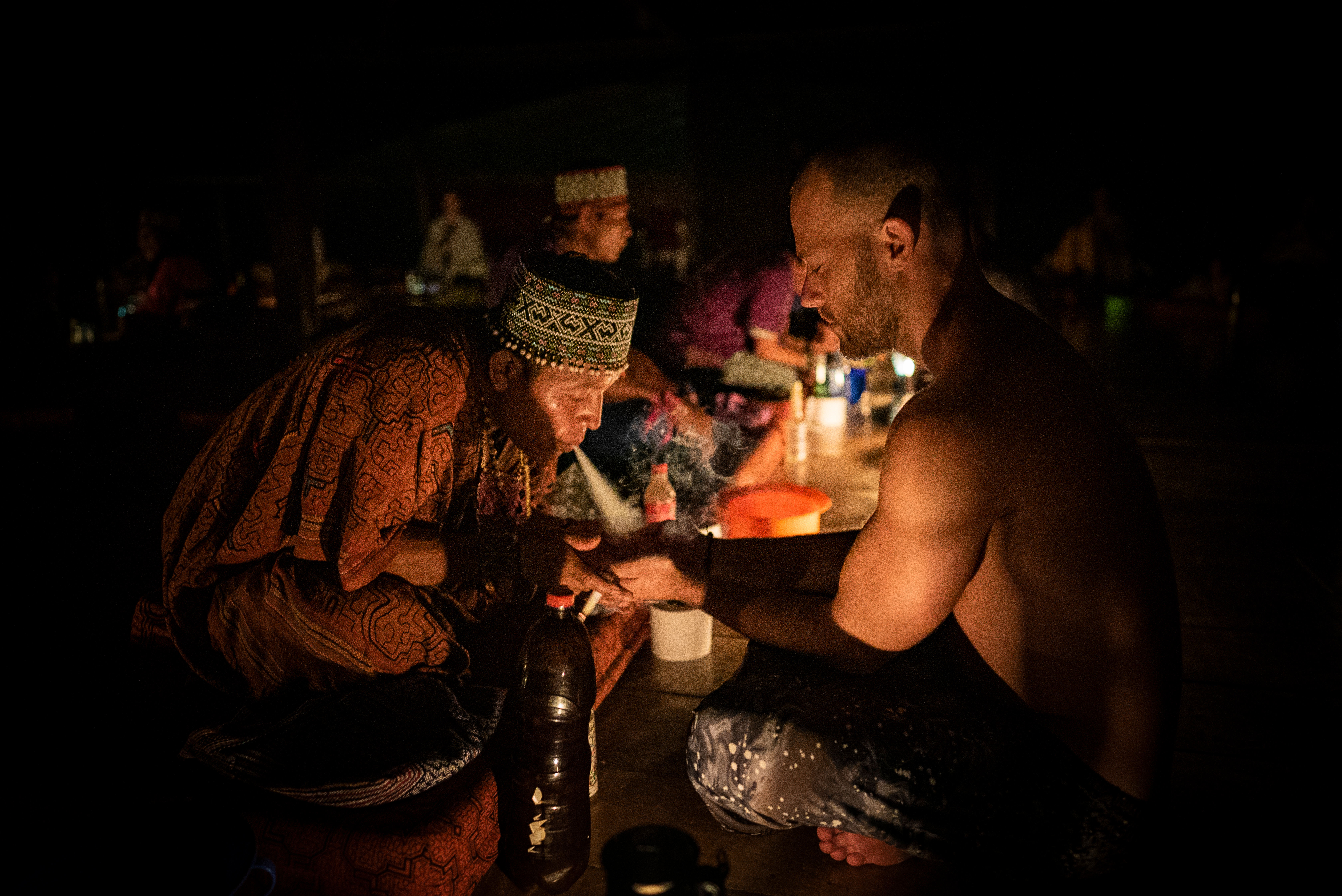
The Shipibo are an extraordinary indigenous group who have lived in the Amazon along the Ucayali River and worked with plant medicines for millennia. Training as a Shipibo curandero (healer) can start as young as five years old and involves extended periods of solitude in the rainforest, working directly with plants through ceremonial practice. These are known as ‘dietas’. This is also where they learn the songs they sing during the ceremony, known as ‘icaros’. The more I learnt about Shipibo culture, the more I came to respect their practice - in the same way you might respect a surgeon in Western Medicine. The Shipibo are deeply knowledgeable, and they work with the utmost integrity and precision. This is not just a job. This is a practice ingrained into the very fabric of their culture and their worldview.
Before I go any further, I want to note that I have been unsure whether to write publically about this experience. There is much to be said about the recent rise in ayahuasca tourism and the risk it poses to the indigenous groups who have long protected it. I did extensive research into the centre I was visiting to ensure the way they operate supports both the Shipibo directly and the conservation of the plants that make up the ayahuasca brew. I watched testimonials of people I trust, such as Gabor Maté, who had been to this particular centre and reached out to friends in this space for advice on how to navigate this correctly. I even consulted a doctor in London before going. If you want to learn more about the practices and the ethics of the Temple of the Way of Light you can here.
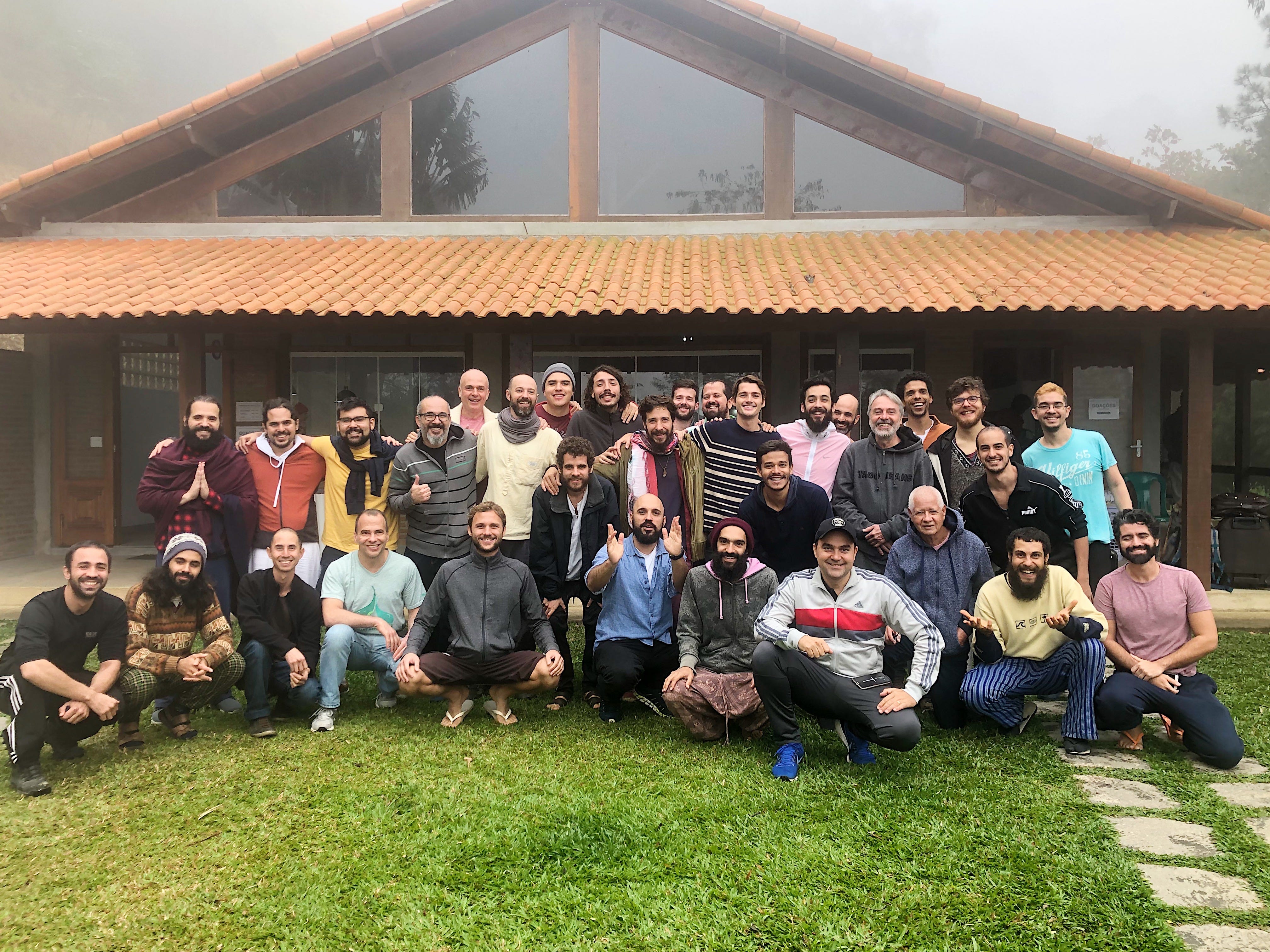
So off I went, first spending 10 days in meditation at Dharma Santi - where my phone, my computer and all my belongings were locked in a box. Here, I experienced a level of mental calm and present awareness that I didn’t realise was possible. It’s a bit like training as a monk for 10 days. Although it was just an introduction, I gained the seed of a new skill in shifting my focus away from my worries and anxieties about the world - to the simple joy of just being a human and experiencing the present moment. Life slows down during Vipsanna. You get up before sunrise and meditate all day, with just two simple meals between sessions.
It’s a very powerful way to break any unhealthy routines you might have developed and to really take a close look at your inner state. However, halfway through, I considered dropping out. It was such a challenge to just sit there for so long each day… but I pushed through. This was helped by the fact that I was in the middle of a rainforest with nowhere to go. By the last day, I found myself doing things like quietly observing the apple I had been given to eat. Looking at the unique patterning on it’s skin, smelling the sweet aroma as I lifted it to my mouth, and noticing the juice that burst from the flesh as I took my first bite.
Then, I made the journey to Peru. By this time, I had spent weeks getting ready through the food I was eating and the mindset I was cultivating, and I had read as much as I could to understand what I was in for. Although, in truth nothing could have really prepared me for what would unfold next. I won’t unpack the details of each of the five ceremonies, they are ultimately a very personal experience. But I can say, without any doubt or exaggeration, that they were the most profound healing experiences I have ever had. I have never experienced anything like it, and even if I did try to describe it here… words would not suffice. There were moments during the ceremonies that were very hard. In fact, at times, I found myself way outside of my comfort zone, going through very confronting experiences. But the changes that took place laid the foundation for a fundamental shift in my mental health. People say it’s like compressing 10 years of therapy into a couple of hours. That’s an oversimplification… but I get what they mean.
One of the most important aspects of this kind of work is not simply the experience itself but the integration after. How do you process what you experienced? How do you make space for changes in your life to avoid falling back to where you were before? After Peru, I returned to Europe and spent the remaining three weeks mostly alone, starting the work of integration. What impacted me was not just the ceremonies themselves but also spending weeks in the rainforest - one of the most biodiverse places on Earth. Who knew birds and frogs could make sounds like that?! Also, spending time observing ancient cultures and practices so closely connected with time honoured traditions and the natural world.


A combination of everything that unfolded during those two months shifted something very deep within me. It wasn’t clear immediately, but what would unfold next would ultimately lead to leaving London and taking a different path - starting instead a two-year research degree at Cambridge University focussed on studying a practice called regenerative design.
That’s where we’ll pick up in Part 3. I want to tell you what regenerative design is and what I learnt during that course. Most importantly, I want to explain why it gives me hope for the future - despite these confusing times we’re living in. I’m publishing this journey here partly because it helps to explain the back story of what I’m doing now and partly because I hope it might reach someone else who feels stuck and is looking for alternative ways to shift their perspective.
I want to be clear: These experiences are no joke. I’m not suggesting anyone puts their life in danger or sign up for multiple plant medicine ceremonies. If you feel called to do so, definitely seek medical advice and do your research beforehand. However what I am saying is that sometimes, we do need to get out of our comfort zone if we want to make a big change in our lives and shift our perspective.
Thanks for following along. Feel free to share comments below and send this to someone who might find it interesting. If you want to subscribe for bonus content and access to a group chat, there is a button below. For now, the majority of my posts will remain free to access.
Finn
As a Peruvian who has heard so many stories of the power of curanderos/curanderas I want to thank you for your consideration in broaching the subject. As a whole Peru is an incredible place that many people obviously want to visit but the prioritization of tourists throughout the country while the demise of indigenous communities is physically painful. For Peru, and every place someone visits, it's always best to do research to make sure you're helping locals and not boosting larger companies even more.
I'm so glad you found such a profound experience with the ceremonies and am really grateful for your many disclaimers, it's incredibly important.
…also, thanks for being aware and putting it out there on the harm of ayahuasca tourism.